

Time will turn monsters into lullabies
Monsters and Lullabies takes its title from a line in the closing track, Reason To Run. It felt like the most honest way of describing what these songs are concerned with: the thoughts that surface when everything goes quiet. The moments we replay, the things we should or shouldn’t have said or done, the chances we didn’t take.
The monsters are familiar: regret, doubt, nostalgia, self-interrogation. The lullabies are what they become through repetition, not comfort exactly, but something learned, rehearsed, and lived with. Stories told often enough to take the edge off, even if they never fully resolve.
The album brings together songs written across roughly five years.
Writing the songs
The songs on Monsters and Lullabies weren’t written with an album in mind. They emerged gradually, across different periods, often in response to whatever felt unresolved at the time.
For several years, music wasn’t something I was actively involved in. After a final release with my previous band in 2019, I stepped away, spending time in education and trying to reorient myself. Writing slowed, then stopped altogether, which only sharpened the sense that something was missing.
When I began writing again, it wasn’t with any clear direction. The songs came back slowly, shaped by reading, therapy, and a growing interest in questions around time, meaning, and mortality. Writers such as Ernest Becker, Viktor Frankl, and Irvin Yalom influenced my thinking, and that influence inevitably found its way into the lyrics, even when the songs weren’t consciously “about” those ideas.
Many of the themes return in different forms: memory, regret, repetition, and the pressure to keep moving forward even when nothing feels settled. Rather than progressing toward clear answers, the writing circles the same questions, approaching them from different angles.
Over time, it became clear that these songs belonged together. They share a sense of living alongside thoughts that never quite leave, only change shape.

Recording Monsters and Lullabies

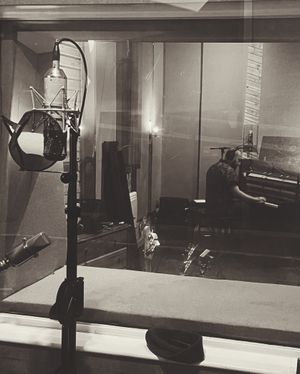
Monsters and Lullabies was recorded over sporadic weekends across a twelve-month period. Each song began the same way, tracked live as a three-piece with drums, bass, and acoustic guitar and vocals. We typically worked at a pace of around four songs per weekend, focusing first on getting the core performances right.
Twelve songs were recorded in total, though two were ultimately left off the album as they no longer felt like they belonged. Once the rhythm section was locked in, the remaining parts were overdubbed. The arrangements grew through layers rather than replacement, with multiple acoustic guitars, vocal harmonies, and counter-melodies building around the original takes.
Although the intention at the outset was to record an album, the material was released gradually as singles, roughly every eight weeks. By the time the later songs were finished, the idea of reframing the project as an album returned. Releasing the music this way brought more attention to the songs than a single release might have, shaped as much by financial reality as by creative choice.
Recording and Credits

Monsters and Lullabies was written by Stephen McCafferty. The album was recorded as a three-piece, with Jason Rees on drums and Dario Ferrante on bass throughout.
Additional performances across the record include contributions from Ace Duncan, Alan Barbour, and Pete Nicholson. The album was recorded and mixed by Gary Boyle and mastered by Stuart Hamilton.

Slate Room
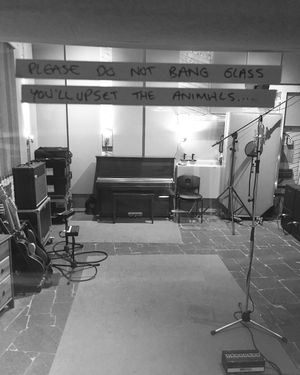
Monsters and Lullabies was recorded at Slate Room Studio with Garry Boyle, housed within Castle Sound Studio, and was also mastered there by Stuart Hamilton.
Castle Sound celebrated its 50th anniversary during the making of this record. Over that time, it has quietly become part of Scotland’s musical fabric, hosting recordings by artists including The Blue Nile, Simple Minds, Orange Juice, and The Proclaimers, alongside hundreds of others working across folk, rock, and film scores.
Founded by Calum Malcolm, later stewarded by Freeland Barbour, and now run by Stuart Hamilton, the studio has evolved through careful handovers rather than reinvention. The Slate Room continues that lineage, expanding the studio’s range while staying rooted in the same values.